The term “qualified” is a critical requirement that is often misunderstood in electrical safety. The definition of “qualified” in NFPA 70E sets a clear standard for those working with electrical systems.
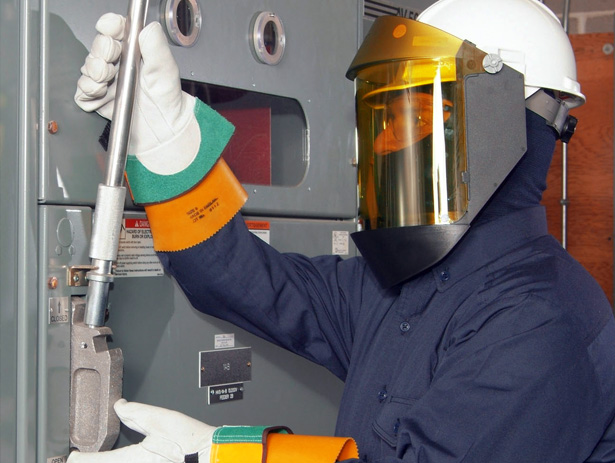
A qualified person is defined as:
“One who has demonstrated skills and knowledge related to the construction and operation of electrical equipment and installations and has received safety training to identify the hazards and reduce the associated risk.”
This means a person can be trained for a specific task but may not be qualified for others. To be considered qualified, there are 4 key requirements that must be met:
1. Demonstrated Skills and Knowledge
To be qualified, an individual must demonstrate the ability to perform specific tasks using the appropriate tools and techniques. This means physically performing tasks under real conditions and proving a clear understanding of the work involved.
It is not enough to know theory. Practical competence must be verified. This verification often requires regular field audits by management or a competent person, ensuring the individual consistently meets the required standards.
2. Understanding the Equipment and Installation
A qualified person must have a thorough understanding of the equipment and installations they work on. This includes knowing how the system is constructed, how it operates under normal conditions, and why it is installed in a specific way.
Without this knowledge, it is impossible to troubleshoot or work safely. For example, resetting a breaker without understanding the underlying issue or whether the installation meets manufacturer and safety standards could lead to dangerous outcomes.
3. Safety Training and Risk Awareness
Safety training is an essential component of qualification. Training must be provided at regular intervals and updated whenever there are changes in processes, equipment, or personnel.
What constitutes an acceptable level of risk is defined by NFPA 70E, not by company policies or expectations. Workers must recognize potential hazards, understand the risks, and be trained in methods to reduce those risks to acceptable levels.
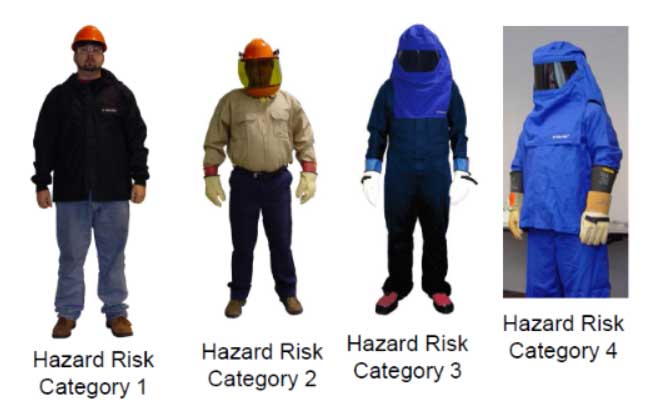
The greater the electrical hazard, the higher the personal protective equipment arc rating must be to withstand an arc-flash incident. Photo: EFCOG Electrical Safety Task Group.
4. Working with Energized Equipment
Per NFPA 70E Article 110.2(B), working on equipment in a “normal” condition is strictly regulated. Most tasks on energized equipment require specific qualifications, and only individuals who fully understand what constitutes “normal” conditions should perform these tasks.
Without proper qualification, even recognizing normal operating conditions can be challenging, let alone handling the equipment safely.
Summary
In practice, only a small percentage of individuals meet the full criteria for being qualified. Even those with extensive experience in troubleshooting, repair, and construction may not be qualified to work in unfamiliar environments without proper training and hazard awareness.
Workers must demonstrate the skills and knowledge required for the task at hand. This includes understanding the specific equipment and installation involved.
Training must be given regularly and updated whenever there are changes to processes, equipment, or staff. Most work on energized equipment requires specific qualifications, and only individuals who clearly understand what “normal” operating conditions look like should perform these tasks.
Being qualified is not just about experience. It is about meeting rigorous standards of knowledge, skills, and safety.