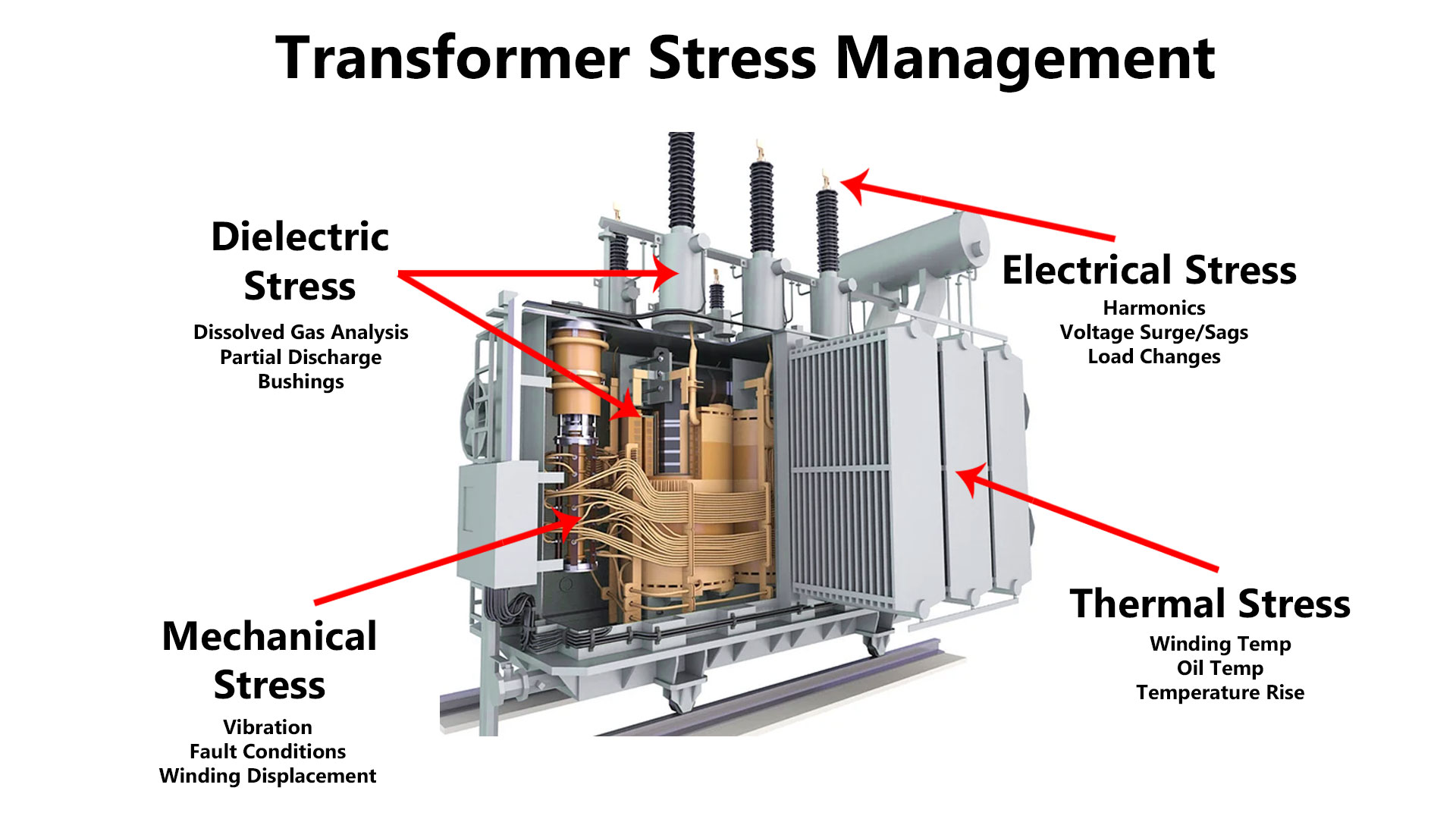
Power transformers are among the most critical and expensive assets in the electrical grid. Their failure can lead to widespread outages, expensive repairs, and long replacement times. To mitigate the risk of failure, utilities rely on real-time monitoring systems that track the key stressors affecting transformer lifespan: thermal, mechanical, dielectric, and electrical stress.
Rather than reacting to failures, modern utilities take a predictive approach by continuously analyzing transformer health to detect early warning signs and intervene before damage occurs.
Thermal Stress: Managing Heat and Aging
Heat is the primary driver of transformer aging, especially when it comes to insulation degradation. Utilities monitor thermal stress using infrared, winding temperature sensors (often fiber optic probes embedded internally), top-oil temperature sensors and load current measurements to estimate internal heating.
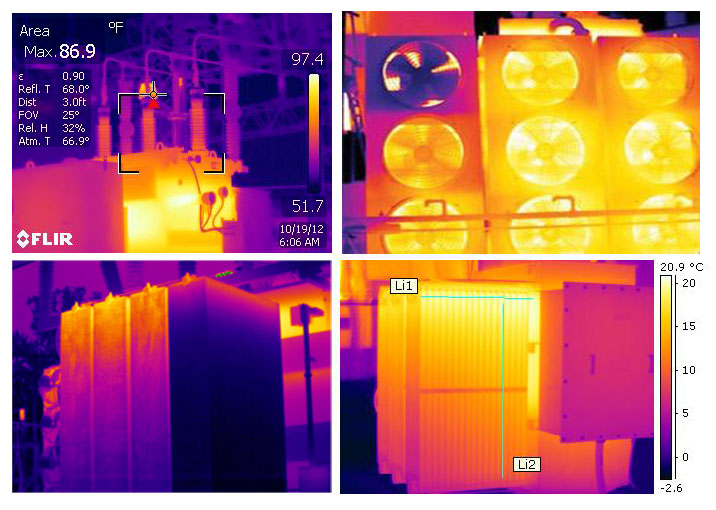
Infrared scans are extremely effective in detecting problems that can lead to early failure in transformers.
These inputs feed into thermal models that estimate “hotspot” temperature (the most critical indicator of insulation life). Operators track not just absolute temperatures, but also how quickly temperatures rise and how long they remain elevated. This allows them to estimate remaining insulation life and detect overload conditions early.
Mechanical Stress: Detecting Movement and Fatigue
Mechanical stress occurs when internal components shift or vibrate due to electrical forces, especially during events like inrush current or fault conditions. Utilities monitor for this type of stress by using vibration sensors mounted on the transformer tank, acoustic sensors that detect internal movement or anomalies, and electrical signature analysis to observe winding displacement.
Over time, even small mechanical movements can loosen windings or structural supports. Changes in vibration patterns often serve as early indicators of internal damage. In addition to continuous monitoring, periodic tests like Sweep Frequency Response Analysis (SFRA) are used to detect structural deformation.
Related: SFRA Insights: Understanding Sweep Frequency Response
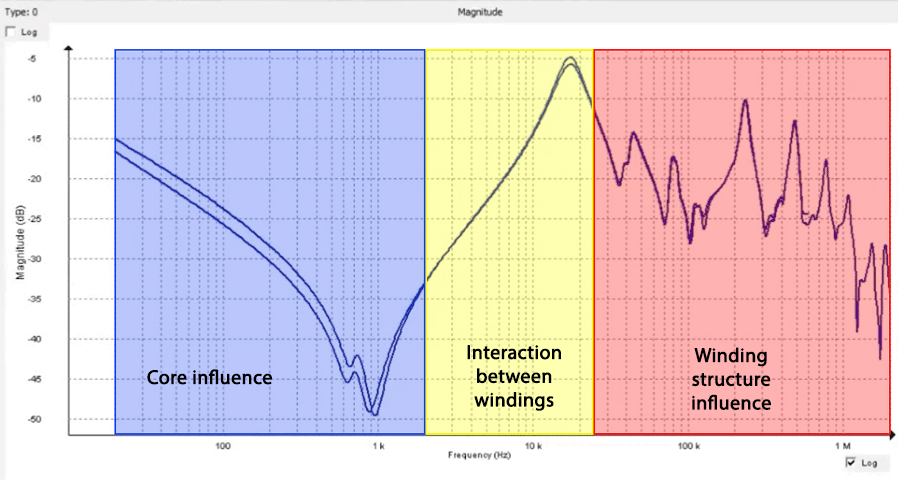
Sweep Frequency Response Analysis can be used to detect mechanical shifts and structural deformation in transformers.
Dielectric Stress: Protecting Insulation Systems
Dielectric stress affects the transformer’s insulation system. Breakdown of insulation is a leading cause of catastrophic failure.
Real-time monitoring focuses on three main methods:
1. Dissolved Gas Analysis (DGA)
Sensors analyze gases dissolved in transformer oil. Different gases indicate different fault types:
- Hydrogen is often associated with partial discharge, which is a low-energy electrical fault that can occur due to insulation degradation.
- Acetylene is typically linked to arcing, which is a high-energy fault where an electrical discharge occurs across a gap, potentially causing severe damage.
- Methane and Ethane are indicative of thermal faults, which arise from overheating in the transformer due to poor insulation or overloading, causing decomposition of oil at elevated temperatures.
Related: Insulating Liquids: Basic Properties, Types and Applications Explained
2. Partial Discharge (PD) Monitoring
Partial Discharge detects small electrical discharges within insulation before they escalate into major failures.
3. Bushing Monitoring
Bushing monitors track capacitance and power factor of bushings, which are common failure points. Together, these systems provide early warning of insulation degradation long before failure occurs.
Related: Transformer Diagnostics and Condition Assessment
Electrical Stress: Tracking Power Quality and Events
Electrical stress comes from irregularities in the power system, such as harmonics, voltage surges, and load fluctuations. Utilities monitor electrical stress using power quality meters, digital protection relays, and fault recorders.
These systems track harmonic distortion, voltage spikes and transients, inrush currents during energization, and rapid load changes. Monitoring these parameters can identify conditions that contribute to overheating, insulation stress, or mechanical strain.
Related: Power Quality Analysis: Basic Theory and Applications
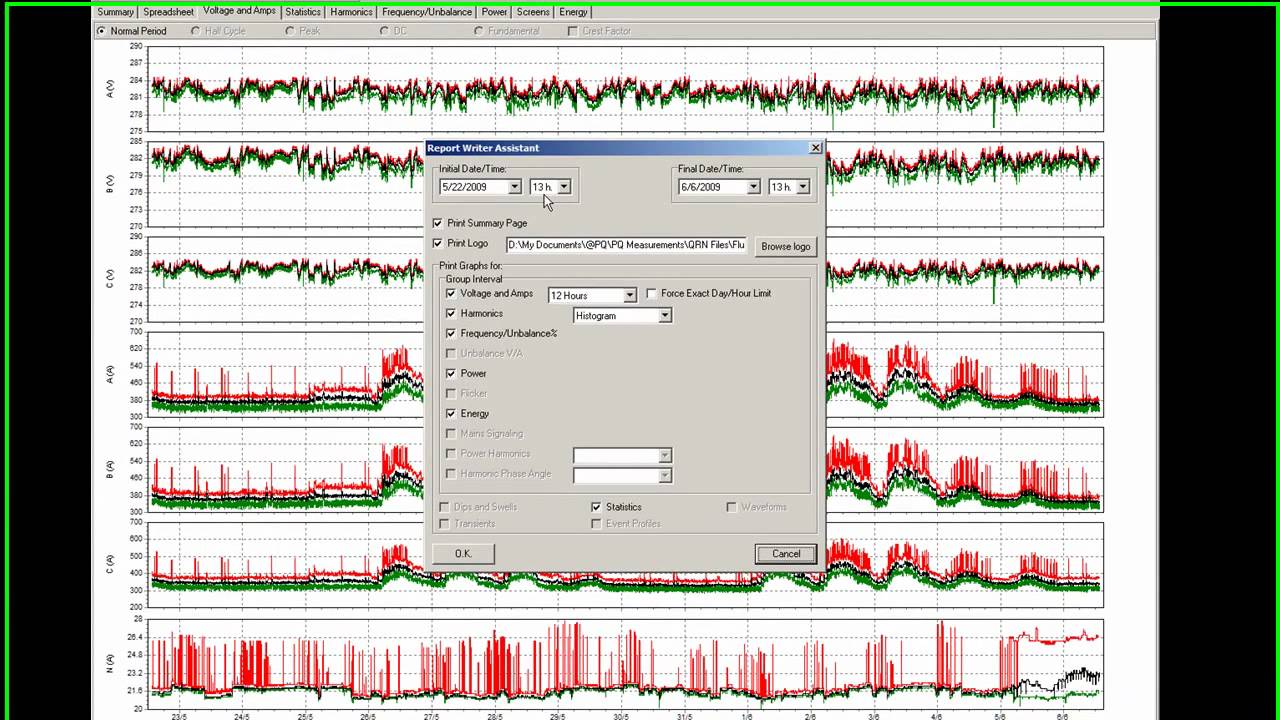
Power Quality Meters are capable of calculating a large number of power measurements at extremely high speeds. Photo: Fluke PowerLog.
Integrated Monitoring: The System-Level View
All sensor data is aggregated into centralized monitoring platforms, typically part of SCADA or dedicated transformer monitoring systems. These platforms provide real-time dashboards, alarm thresholds and alerts, historical trend analysis, and predictive maintenance insights.
Advanced systems apply analytics and machine learning to detect subtle patterns over time, enabling utilities to shift from reactive maintenance to condition-based and predictive strategies.
Fault Example
A typical sequence that detects an overload condition might include the following:
- Load current increases beyond normal levels
- Temperature sensors detect rising oil and winding temperatures
- Thermal models indicate accelerated aging
- Dissolved gas levels begin to shift, signaling overheating
- Monitoring system triggers an alert
- Operators take action to reduce load or investigate
All of this can occur before any visible signs of failure, allowing intervention at an early stage.
Related: Industrial Control and Automation Systems Overview
SCADA Control Room Example. Photo: Wikimedia.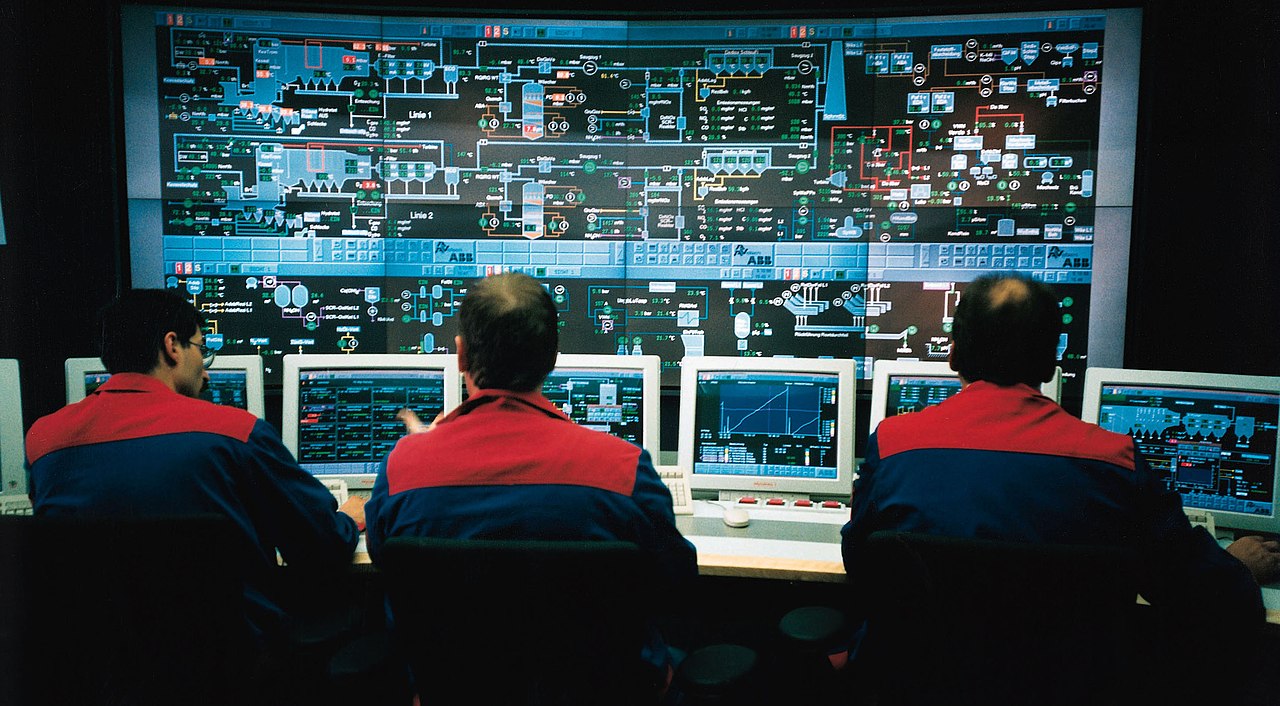
Conclusion
Modern transformer monitoring transforms these critical assets from passive equipment into actively managed systems. By continuously tracking thermal, mechanical, dielectric, and electrical stresses, utilities gain a comprehensive view of transformer health.
The result is improved reliability, reduced downtime, and the ability to prevent failures before they happen. Stress monitoring transforms what was once reactive maintenance into a proactive, data-driven process.